
You don’t want to wrestle a heavy wakeboard tower every time you pass a bridge or park your boat. A linear actuator turns that struggle into a one-button job. This guide shows how it works, why it matters, and what you gain in real use.
Overview & Key Aspects
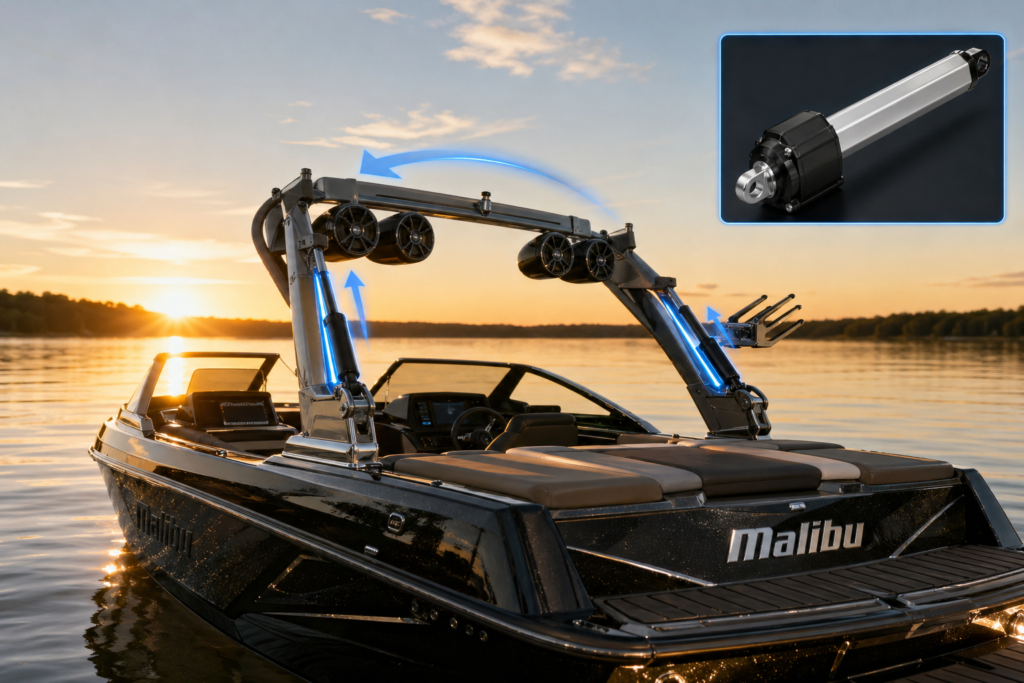
Wakeboard towers use electric linear actuators to raise and lower the tower automatically. This replaces a risky, multi-person manual process.
Key points
- One-touch folding from the helm
- Handles heavy loads with precision
- Built for water, salt, and vibration
- Standard in premium wake boats
Why Linear Actuators Are Used
Convenience and Solo Operation
- Manual towers need two people
- One holds the weight, one removes pins
- Actuators let you do it alone with a switch
Navigating Low Bridges
- Manual adjustment takes 15–20 minutes
- Actuators adjust height instantly
- You avoid queues and delays
Storage and Trailering
- Lower height for garage storage
- Reduced wind drag during transport
- Better fuel efficiency on road
High Force Capability
- Towers carry speakers and racks
- Actuators deliver 120 N to 8000 N force
- Smooth motion without jerks
How It Is Used and Works
Working Principle
- Motor drives a screw mechanism
- Screw converts rotation into linear motion
- Push or pull action moves the tower
Operation Flow
- Press switch at helm
- Controller sends power
- Actuator extends or retracts
- Tower moves smoothly
- Stops at desired position
Key Application Areas & Reasons
- Wake boats with heavy towers
- Boats in low bridge regions
- Luxury marine setups
- Commercial water sports fleets
Comparison Table
| Feature | Electric Linear Actuator | Hydraulic System |
|---|---|---|
| Maintenance | Low | High |
| Cleanliness | No oil leaks | Risk of leaks |
| Installation | Simple | Complex |
| Space usage | Compact | Bulky |
| Control | Precise | Moderate |
Technical Advantages in Marine Environments
| Feature | Benefit |
|---|---|
| 12V compatibility | Works with boat battery |
| IP66 or higher | Resists water and salt |
| Self-locking | Holds position without power |
| Synchronization | Prevents twisting |
Key Features and Technology
- IP66 or IP67 sealing
- Feedback sensors for sync
- Corrosion-resistant materials
- Low noise motors
- Compact design
Required Components
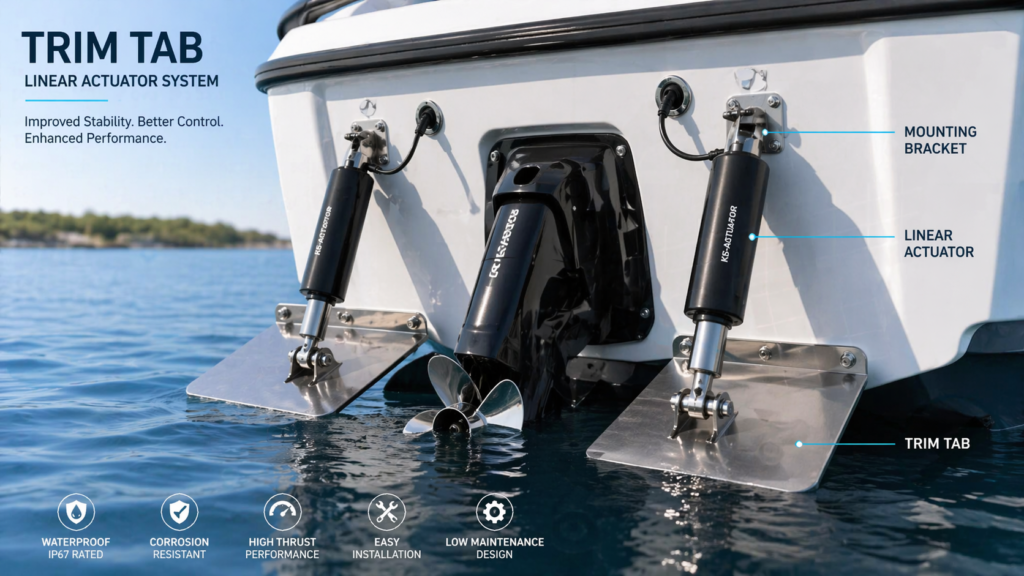
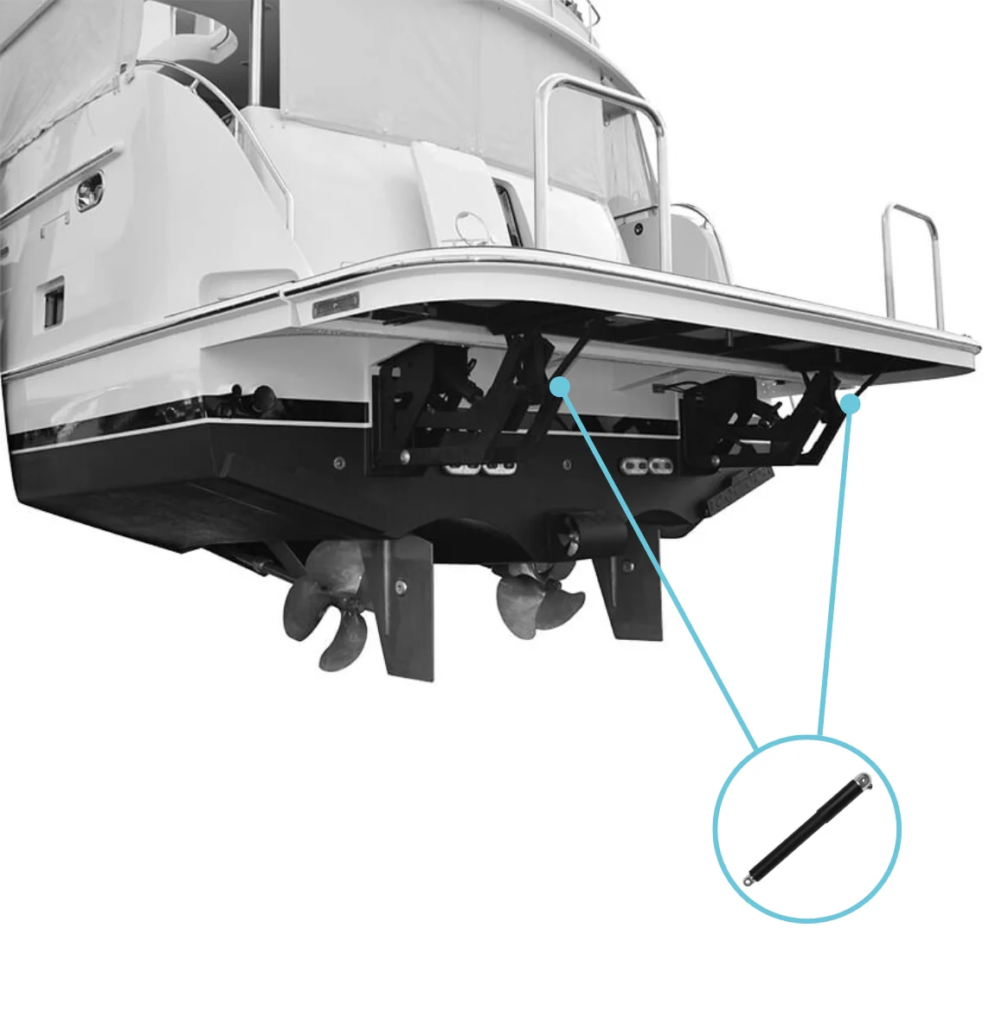
- Linear actuator
- Mounting brackets
- Control switch or remote
- Wiring harness
- Power source (12V battery)
Operations & Functions
- Raise tower for riding
- Lower tower for clearance
- Lock position securely
- Maintain alignment
Key Benefits & Specifications
Benefits
- Saves time
- Improves safety
- Reduces manual effort
- Enhances boat value
Typical specs
- Voltage: 12V DC
- Force: 120 N to 8000 N
- Stroke length: 100 mm to 1000 mm
- Speed: 5–50 mm/s
Advantages and Disadvantages
Advantages
- Easy operation
- Low maintenance
- Clean system
- Compact
Disadvantages
- Higher upfront cost
- Needs proper installation
- Electrical dependency
Steps to Follow for Installation
- Measure tower movement range
- Select actuator force and stroke
- Mount brackets securely
- Connect wiring to battery
- Test movement before full use
Checklist for You
- Correct force rating selected
- Waterproof rating verified
- Mounting points aligned
- Wiring secured properly
- Emergency manual override planned
Examples
- A wake boat in a marina uses actuators to pass under bridges in seconds
- A family boat folds tower for garage storage daily without effort
- Rental fleets reduce labor cost using automated towers
Key Prevention Techniques
- Use marine-grade actuators
- Inspect wiring regularly
- Clean salt deposits
- Avoid overload conditions
Compliance and Best Practices
- Follow marine electrical standards
- Use sealed connectors
- Ensure proper grounding
- Test under load before deployment
Pro Tip
Choose actuators with feedback sensors. They keep both sides synchronized and prevent structural stress.
Conclusion
Linear actuators turn a heavy, risky task into a simple button press. You save time, reduce effort, and improve safety. For modern wake boats, this is no longer optional. It’s the standard.
People Also Ask
1. Why do wakeboard towers use linear actuators?
They automate raising and lowering, reduce manual effort, and improve safety.
2. Why do wakeboard towers use electric actuators?
Electric systems are clean, compact, and run directly on 12V boat power.
3. What is the benefits of using linear actuators in wakeboard towers?
You get fast operation, solo control, and reliable positioning.
4. What is the benefits of a linear actuator for folding wakeboard towers?
Quick folding for bridges, storage, and transport.
5. How linear actuators improve wakeboard tower functionality?
They add automation, precision, and stability.
6. How do powered wakeboard tower systems work?
A motor-driven actuator extends or retracts to move the tower.
7. Which is the best linear actuators for wakeboard towers available in India?
Look for 12V, IP66 rated, high-force actuators from trusted marine suppliers.
8. Are electric wakeboard tower actuators worth the investment?
Yes. They save time, reduce labor, and increase safety.
9. What are the top companies supplying linear actuators for wakeboard towers?
Leading actuator manufacturers and marine equipment suppliers provide them globally.
10. What type of linear actuator is best for marine environments?
Choose IP66 or higher rated electric linear actuators with corrosion resistance.
0 responses to “Why Wakeboard Towers Use Linear Actuators for Easy One-Person Folding”