
Modern exercise bikes rely on precision, comfort, and smooth control. Small linear actuators and servo-driven electric actuator help smart bikes adjust resistance, seat position, and incline automatically for a more personalized workout experience. These actuators improve workout accuracy, reduce mechanical wear, lower noise, and increase equipment lifespan. From home fitness bikes to commercial spin cycles, electric actuators are becoming a core technology in modern fitness equipment.
Introduction
Exercise bikes have evolved from simple mechanical machines into smart fitness systems with automatic controls and connected features. One of the biggest upgrades behind this transformation is the use of small electric linear actuators.
These compact actuators create smooth resistance changes, silent seat adjustments, and accurate positioning. The result is a more comfortable, efficient, and long-lasting exercise bike for both home users and commercial gyms.
Overview of Electric Actuator in Exercise Bikes
Electric actuators convert electrical energy into controlled mechanical movement. In exercise bikes, they automate functions like:
- Resistance adjustment
- Seat height positioning
- Incline control
- Pedal assistance
- Smart workout synchronization
Most modern exercise bikes use:
- Small linear actuators
- Servo-driven positioning motors
- DC geared motors
- Magnetic resistance actuators
These systems move magnets closer to or farther from the flywheel to increase or reduce resistance levels.
Common Characteristics
- Compact size
- Low noise operation
- High positioning accuracy
- Smooth motion control
- Long operational life
- Low maintenance
Which Types of Electric Actuator Are Commonly Used in Exercise Bikes?
1. Small Linear Actuators
These are the most common actuators in premium exercise bikes.
Functions:
- Adjust magnetic resistance
- Control seat movement
- Adjust incline angle
Benefits:
- Precise movement
- Quiet operation
- Compact installation
- Reliable performance
2. Servo-Driven Positioning Motors
Used in high-end commercial fitness bikes.
Functions:
- Dynamic resistance adjustment
- Smart training synchronization
- Real-time workout automation
Benefits:
- Fast response time
- Accurate positioning
- Smart sensor compatibility
3. DC Gear Motors
Used in entry-level and mid-range bikes.
Functions:
- Basic resistance control
- Pedal assist movement
Benefits:
- Cost-effective
- Simple integration
- Durable design
Comparison Table of Exercise Bike Actuators
| Actuator Type | Main Application | Precision Level | Noise Level | Best For |
|---|---|---|---|---|
| Small Linear Actuator | Resistance & seat adjustment | High | Low | Smart bikes |
| Servo Motor Actuator | Dynamic resistance control | Very High | Very Low | Commercial gym bikes |
| DC Gear Motor | Basic resistance systems | Medium | Medium | Home fitness bikes |
| Pedal Assist Motor | Rehabilitation bikes | Medium | Low | Therapy equipment |
How Electric Actuator Work in Exercise Bikes
Electric actuators control resistance by adjusting the magnetic braking system.
Working Principle
- User selects resistance level
- Controller sends signal to actuator
- Actuator moves magnet assembly
- Distance between magnet and flywheel changes
- Resistance level increases or decreases
Key Components
- Electric motor
- Lead screw or ball screw
- Potentiometer feedback system
- Controller PCB
- Power supply
- Position sensors
The potentiometer helps the bike detect the exact position of the actuator for accurate resistance control.
Key Application Areas
Smart Spin Bikes
Electric actuators automatically change resistance during virtual workouts.
Rehabilitation Mini Bikes
Motor-driven actuators support passive and assisted movement therapy.
Commercial Gym Bikes
Heavy-duty actuators handle continuous operation in fitness centers.
Connected Fitness Equipment
Actuators integrate with apps and training platforms for automated resistance changes.
Why Manufacturers Use Linear Actuators in Exercise Bikes
Main Reasons
- Smooth adjustment
- Better workout precision
- Silent operation
- Reduced mechanical wear
- Longer machine lifespan
- Enhanced user comfort
- Smart automation compatibility
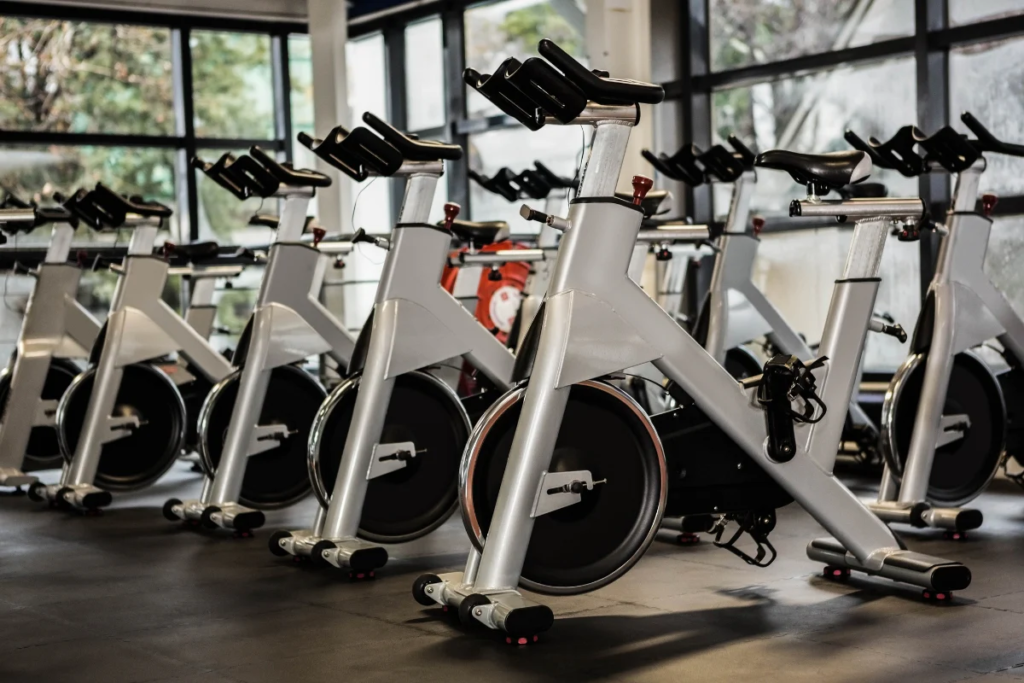
Key Features of Exercise Bike Actuators
Important Features
- Compact body design
- IP-rated protection
- Low vibration
- High duty cycle
- Precise positioning
- Energy-efficient operation
- Maintenance-free design
Technology Trends
- Bluetooth-enabled smart control
- IoT integration
- AI workout synchronization
- Sensor-based automatic adjustment
- Brushless motor technology
Key Benefits and Specifications
| Feature | Typical Specification |
|---|---|
| Voltage | 12V DC / 24V DC |
| Stroke Length | 20 mm to 150 mm |
| Speed | 5 mm/s to 40 mm/s |
| Load Capacity | 50N to 1000N |
| Noise Level | Below 50 dB |
| Feedback Type | Potentiometer or Hall Sensor |
Advantages and Disadvantages
Advantages
- Accurate resistance control
- Quiet performance
- Better workout customization
- Reduced maintenance
- Longer equipment life
- Smart app integration
Disadvantages
- Higher cost than manual systems
- Requires electronic control systems
- Periodic calibration needed
- Premium actuators increase overall bike price
Required Components for Integration
To integrate an actuator into an exercise bike, manufacturers typically use:
- Linear actuator
- Motor driver
- Resistance controller
- Flywheel assembly
- Magnetic braking system
- Power adapter
- Position feedback sensor
- Wiring harness
Operations and Functions
Main Operations
- Resistance adjustment
- Automatic workout mode
- Incline positioning
- Seat positioning
- Therapy movement assistance
Functional Benefits
- Improves user experience
- Enables real-time control
- Supports training programs
- Enhances workout consistency
Step-by-Step Process for Using Actuator-Controlled Exercise Bikes
Steps to Follow
- Power on the bike
- Select workout mode
- Set resistance level
- Allow actuator to position magnets
- Begin workout
- Adjust settings through console or app
- Monitor workout data
Checklist Before Selecting an Electric Actuator
Checklist for Buyers
- Check voltage compatibility
- Verify load capacity
- Confirm stroke length
- Measure installation space
- Evaluate noise level
- Check feedback system support
- Verify duty cycle rating
- Ensure moisture resistance
- Confirm controller compatibility
Key Prevention Techniques
Proper maintenance improves actuator lifespan.
Prevention Tips
- Keep actuator free from dust
- Avoid water exposure
- Inspect wiring regularly
- Prevent overloading
- Lubricate moving components if required
- Calibrate resistance periodically
Compliance and Best Practices
Manufacturers should follow:
- ISO quality standards
- Electrical safety regulations
- RoHS compliance
- Low-noise operation standards
- Proper thermal protection design
Best Practices
- Use high-quality lead screws
- Install overload protection
- Use sealed actuator housing
- Integrate accurate feedback systems
Pro Tip
Choose actuators with built-in feedback sensors like Hall effect or potentiometer systems. They provide smoother resistance transitions and more accurate workout control in smart fitness bikes.
Real-World Examples
Example 1: Smart Spin Bike
A connected spin bike uses a small linear actuator to automatically increase resistance during hill-climb simulation classes.
Example 2: Rehabilitation Bike
A therapy mini-bike uses motor-driven actuators for assisted leg movement during physiotherapy sessions.
Example 3: Commercial Gym Cycle
A gym bike integrates servo-driven actuators for fast resistance changes during HIIT workouts.
Internal Resources
Learn more about actuator technologies and automation systems from:
- Linear Actuator Shop
- Electric Linear Actuator Solutions
- Mini Linear Actuator Products
- Industrial Automation Applications
- DC Linear Actuator Collection
Conclusion
Electric actuators are transforming exercise bikes into smarter, smoother, and more efficient fitness machines. Small linear actuators and servo-driven systems provide accurate resistance control, silent operation, and enhanced workout personalization.
As smart fitness equipment continues to grow, compact actuator technology will play a bigger role in improving user comfort, training precision, and equipment durability. Manufacturers and fitness brands are increasingly adopting these systems to deliver better workout experiences and long-term reliability.
People Also Ask
1. Which types of electric actuator are commonly used in exercise bikes?
Small linear actuators, servo-driven positioning motors, and DC geared motors are commonly used in exercise bikes for resistance and positioning control.
2. What type of electric motor controls resistance on stationary bikes?
Most stationary bikes use DC motors or servo motors connected to magnetic resistance systems for smooth electronic resistance adjustment.
3. What are the best electric actuator suitable for exercise bikes available in India?
Compact linear actuators with low-noise operation, precise positioning, and 12V or 24V DC compatibility are widely preferred in India for smart fitness equipment.
4. How do linear actuators function in smart exercise equipment?
Linear actuators move magnetic resistance components or adjustable parts based on electronic signals from the bike controller or connected fitness app.
5. Where can I buy electric actuator for exercise bikes online in India?
You can purchase electric actuators from industrial automation suppliers and actuator-focused stores like Linear Actuator Shop.
6. Explain the role of an electric servo in high-end fitness cycles.
Electric servos provide fast, accurate resistance adjustment and support advanced training programs, virtual workouts, and smart automation features.
7. Which companies manufacture electric actuator for fitness equipment like exercise bikes?
Several automation manufacturers produce actuators for fitness equipment, including industrial actuator suppliers and specialized motion control companies such as Kathir Sudhir Automation India Pvt Ltd.
8. Which actuator technologies are common in commercial gym bikes?
Commercial gym bikes commonly use servo-driven actuators, magnetic resistance systems, brushless DC motors, and sensor-based positioning technology.
9. What specifications should I look for in an electric actuator for an exercise bike?
Check voltage, load capacity, stroke length, speed, noise level, duty cycle, and feedback sensor compatibility before selecting an actuator.
10. Where can I find suppliers of electric actuator for fitness machinery in India?
You can find suppliers through industrial automation companies, actuator manufacturers, and online automation stores specializing in motion control products.
0 responses to “Which Electric Actuator Technology Is Used in Exercise Bikes?”